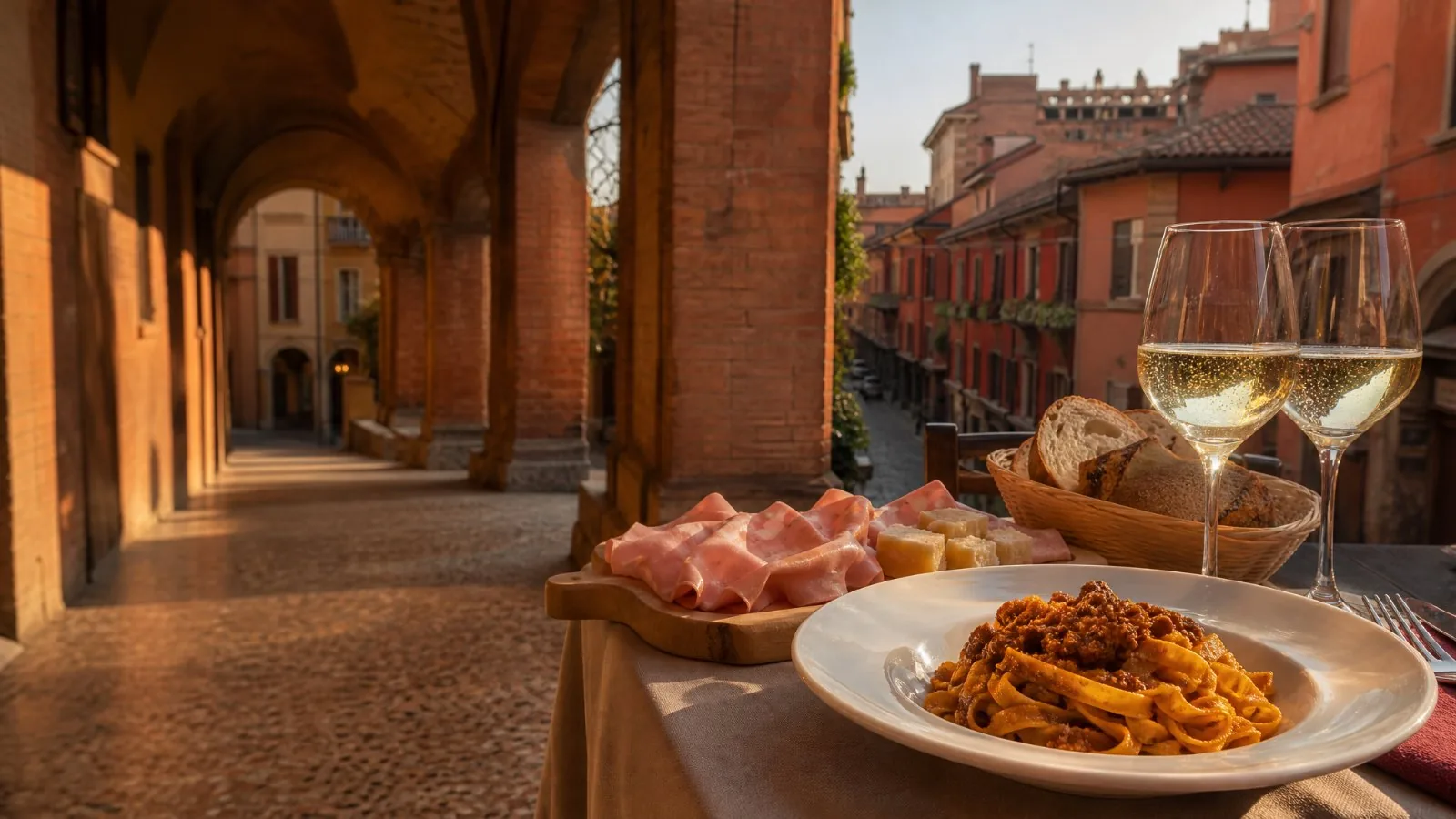
The city Italians call la Grassa, birthplace of tortellini, tagliatelle al ragù and mortadella.
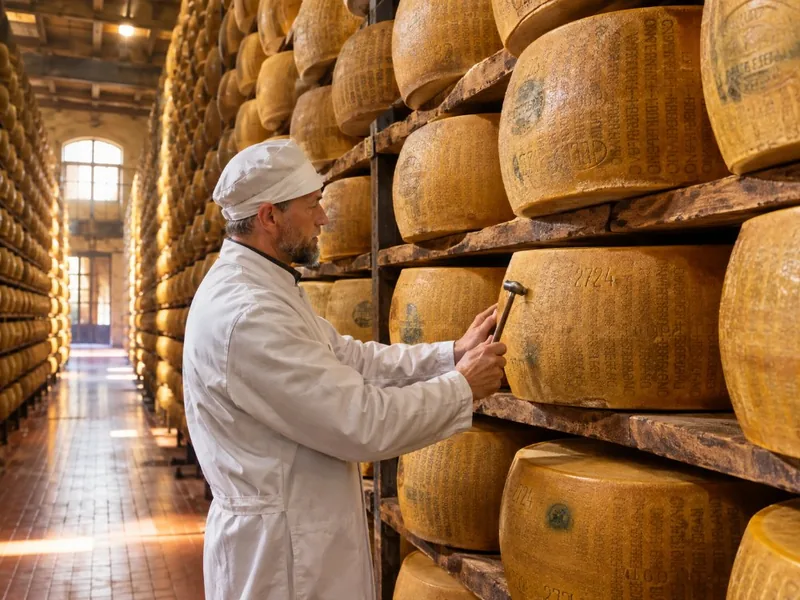
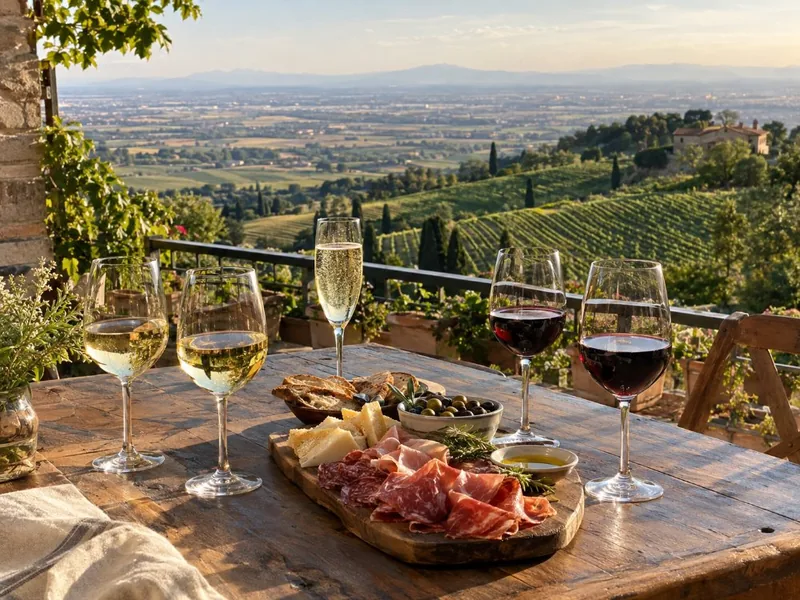
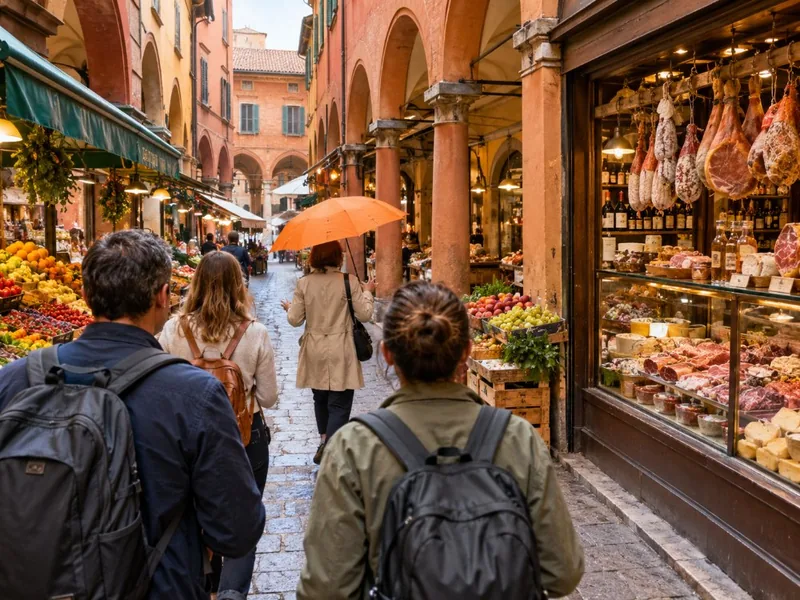
Eat your way through the medieval Quadrilatero, pour a cold Pignoletto from the hills, then watch Parmigiano being made at the dairy.
Local or regional, spelled outWhich tastings are from Bologna and which are not
Eleven tours, hand-pickedFrom a 45-minute tasting to a full day
Free cancellationUp to 24 hours before, on every tour here
Secure bookingCheckout on GetYourGuide
Tours
Choose your Bologna food tour
In the centre, a three-hour walk built around wine and a seated plate of fresh pasta. Either side, the most-booked
food walk in Bologna and a full day with the Parmigiano, balsamic and wine makers near Modena. Every card opens a full tour page.
Tigella, the market, aged balsamic, tortellini and tagliatelle in a trattoria, a stop at Osteria del Sole and gelato at the end. The classic Bologna food walk.
What's included
3-hour walk with a local guide
Five food stops and wine along the way
Mortadella, Parmigiano, balsamic, fresh pasta and gelato
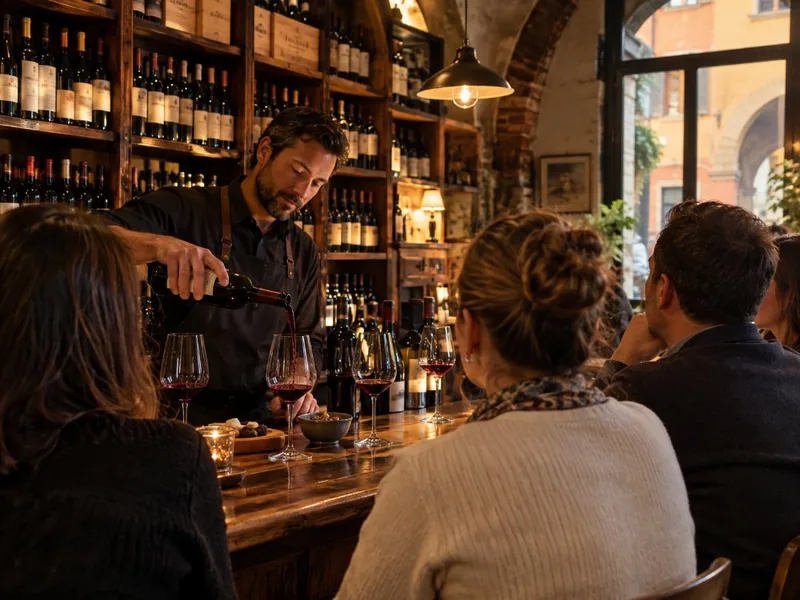
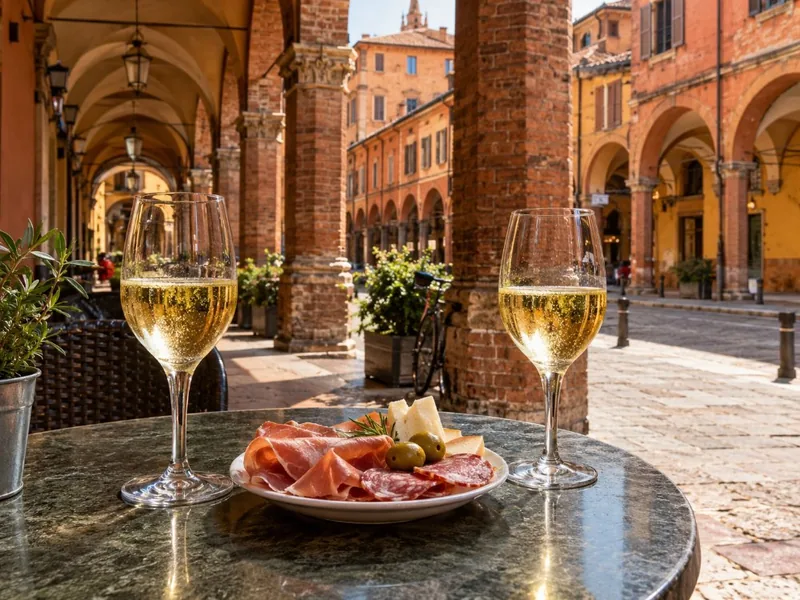
A glass in one of the oldest wine bars in town, a board of salumi and cheese, then a seated plate of fresh pasta with local wine. Come hungry: it replaces dinner.
What's included
Local host for about 3 hours
Wine at an old wine bar, then wine with the pasta
Charcuterie and cheese board, fresh pasta tasting, gelato
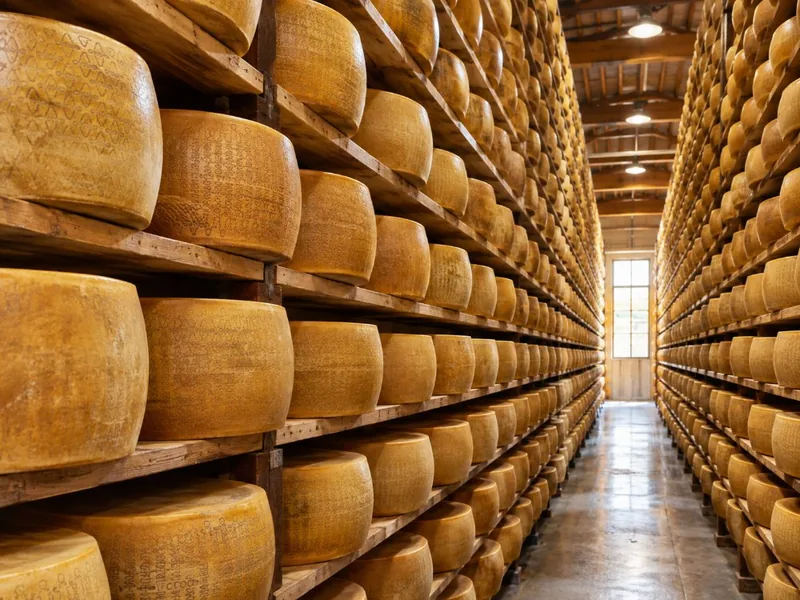
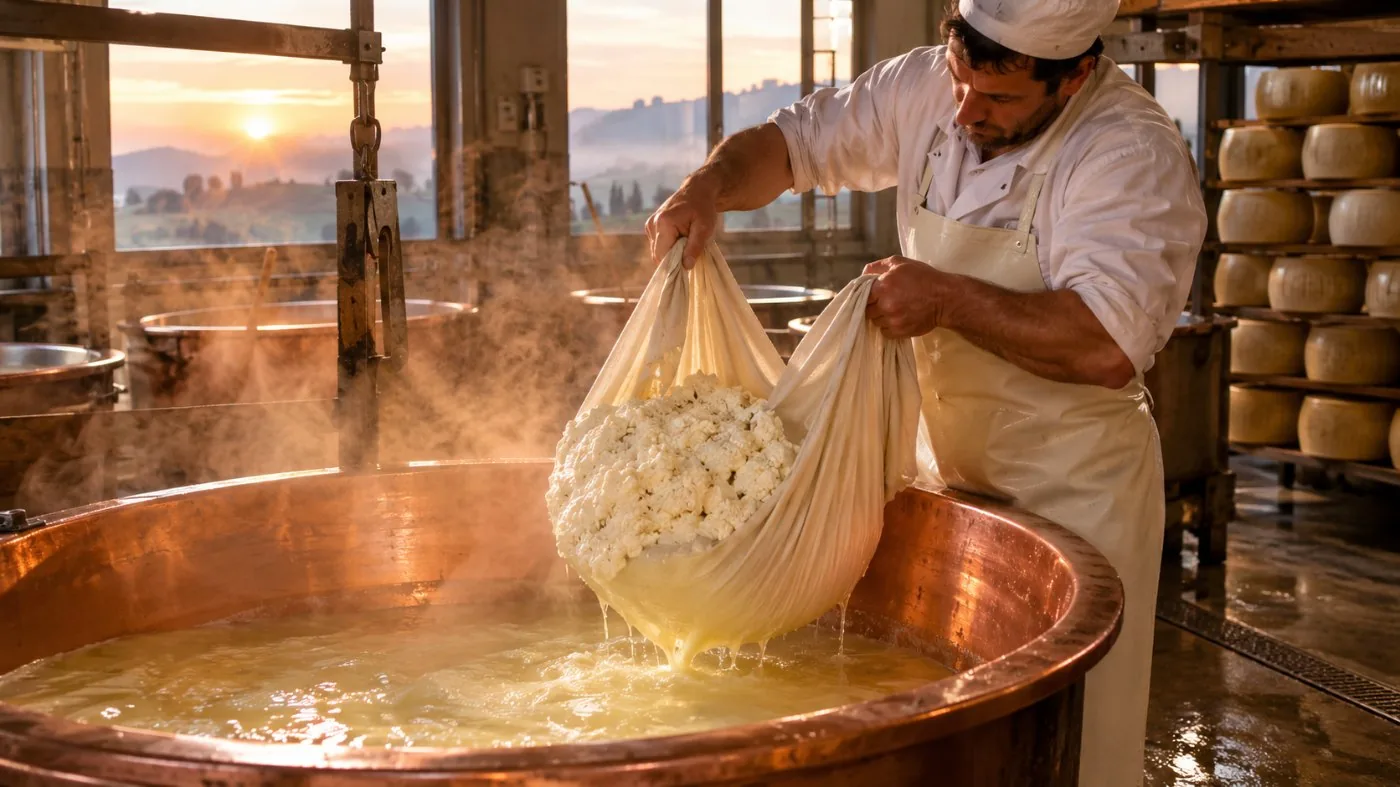
A Parmigiano Reggiano dairy, a balsamic acetaia and a Lambrusco winery near Modena, then a long osteria lunch. None of it is in Bologna, and that is the point.
What's included
Parmigiano Reggiano dairy tour, 12 to 36 month tasting
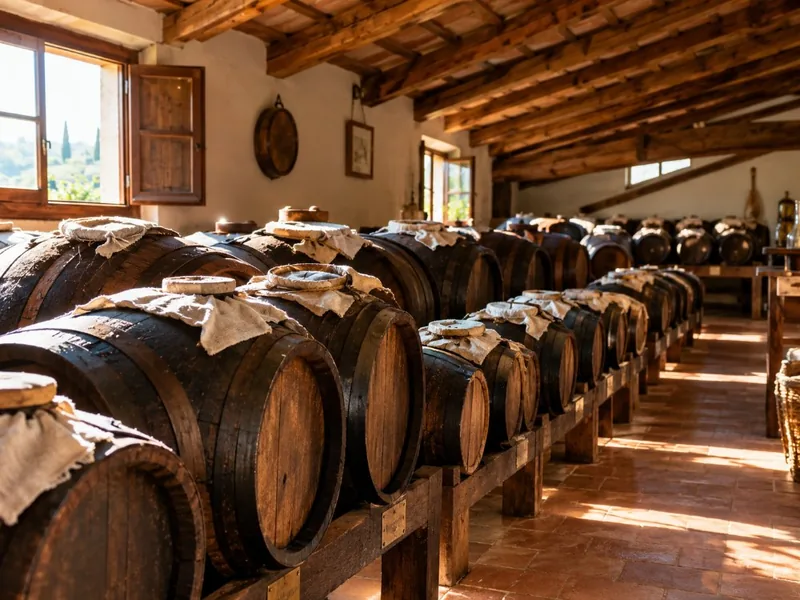
Traditional balsamic acetaia, 15 and 25 year tasting
Family winery with wine tastings
Osteria lunch with two pastas, wine and coffee
Van and pickup in Bologna; free cancellation up to 24 hours before
Every tour here cancels free up to 24 hours before. Most food walks cannot cater for vegans or gluten
intolerance: tell the operator when you book.
Before you book
Bologna's food, and the region's.
Here is the thing most tour pages skip. Several of the famous names on a Bologna tasting board are not from Bologna.
Traditional balsamic vinegar and Lambrusco belong to Modena and Reggio Emilia, Prosciutto di Parma to Parma, and
Parmigiano Reggiano is made across five provinces, with Bologna's share limited to the land west of the Reno river.
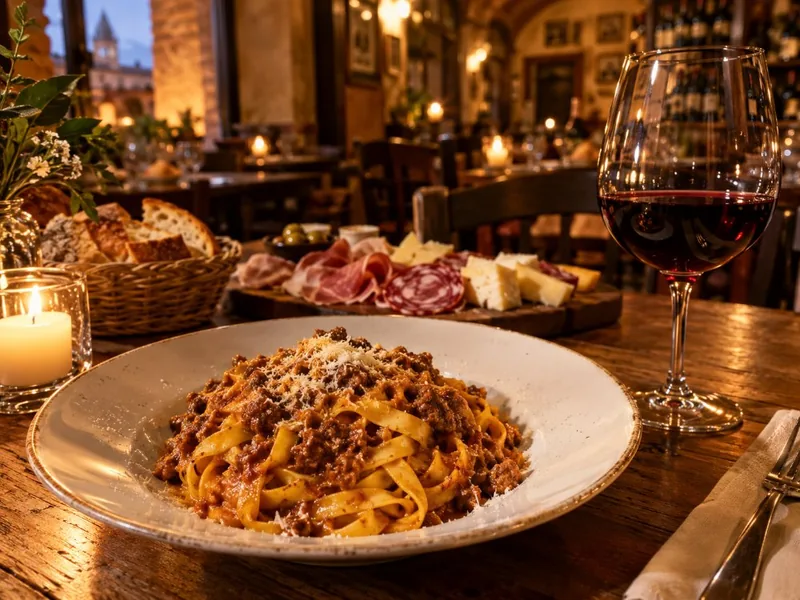
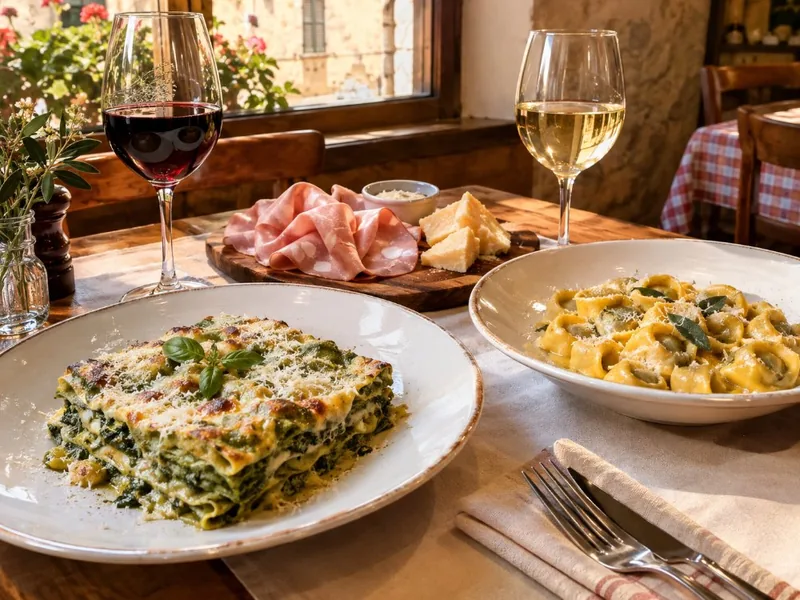
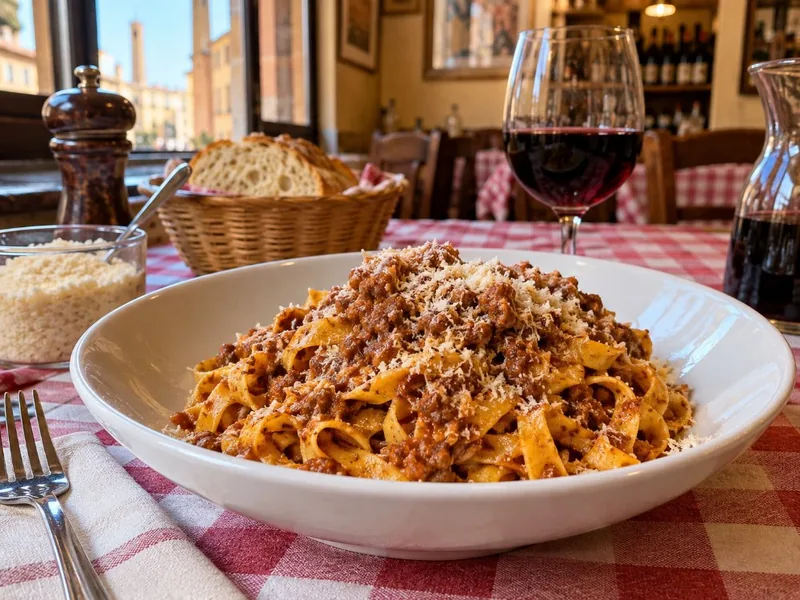
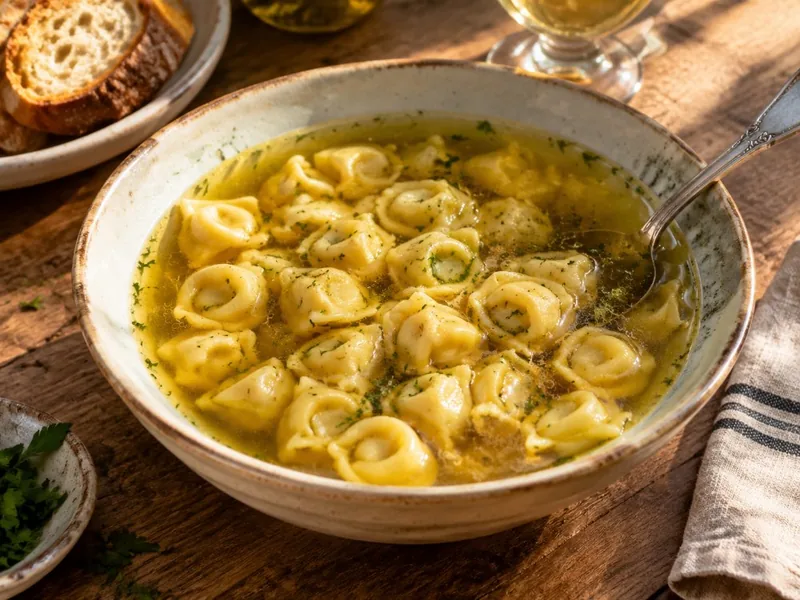
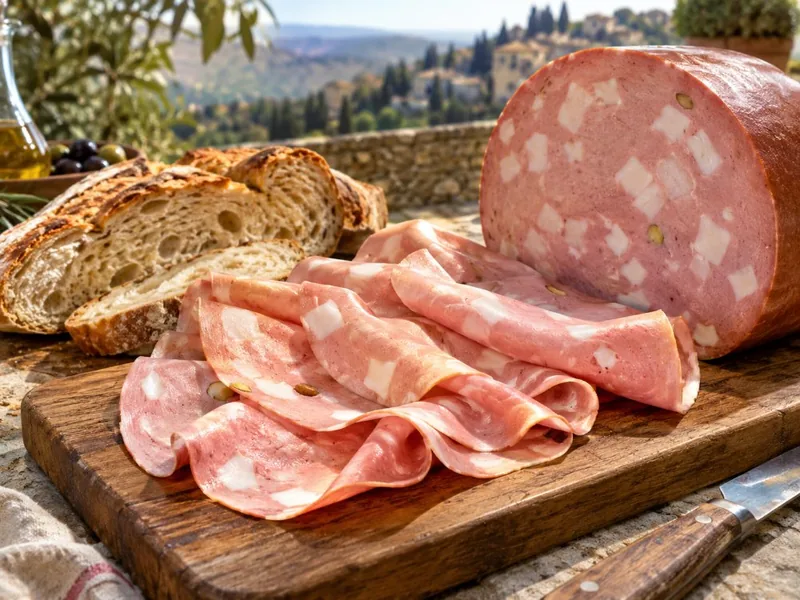
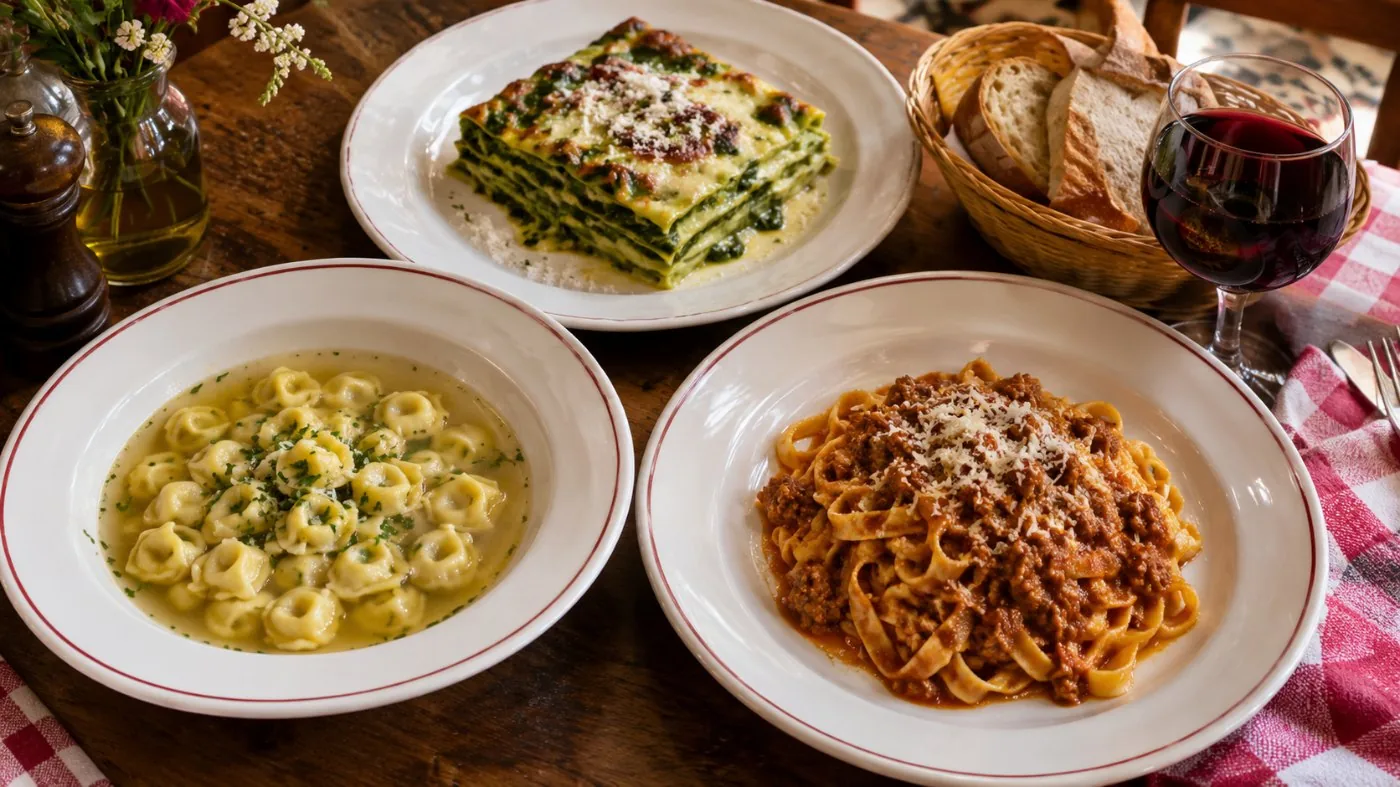
What the city owns is the pasta and the mortadella: tortellini in brodo, tagliatelle al ragù, lasagne verdi
and Mortadella Bologna, plus Pignoletto from the hills. A walk in the Quadrilatero gives you those, with the regional
stars on the board beside them. A Food Valley day drives you to the dairy, the acetaia and the winery where the rest is made.
Neither is the wrong choice. They are different days.
44
DOP and IGP food products in Emilia-Romagna, the most of any Italian region,
according to the regional government.
Food walkWine tastingWinery visitFood Valley day
Mortadella Bologna has been an IGP since 1998: the slice on your board that really is from here.
01
Is wine included?
A glass or two on most food walks. On the wine tours it is the point: three to seven pours.
02
Vegan or gluten-free?
Hard on a food walk. Several listings rule both out, so ask the operator before you book.
03
How much walking?
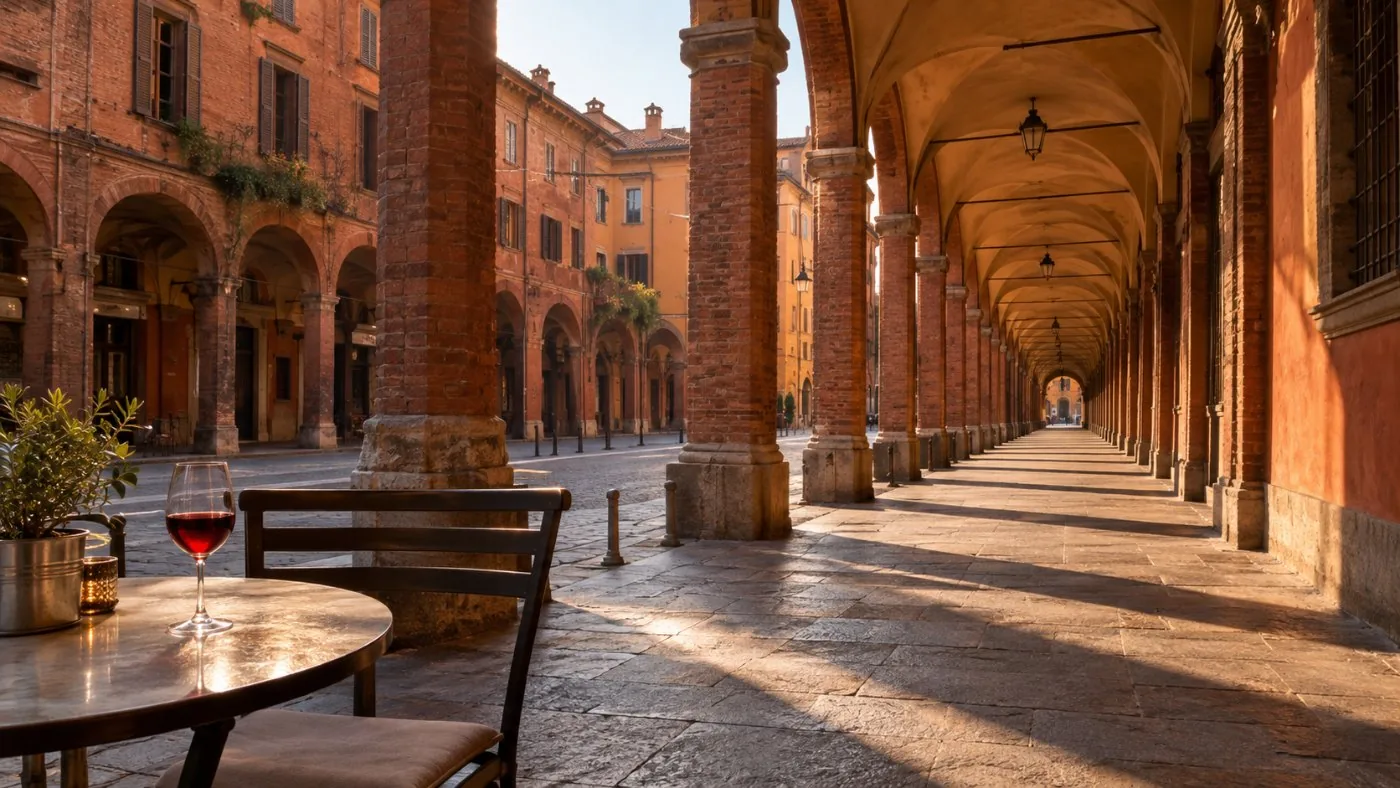
Short hops between stops in the centre, mostly under the porticoes, so rain rarely stops a walk.
04
Who should skip it?
Wheelchair users on most walks, and under-18s on the wine tastings in the centre.
Your evening
How a food walk runs
Two to three hours, four to six stops, all inside the medieval centre. This is the usual shape of it.
01
Meet in the centre
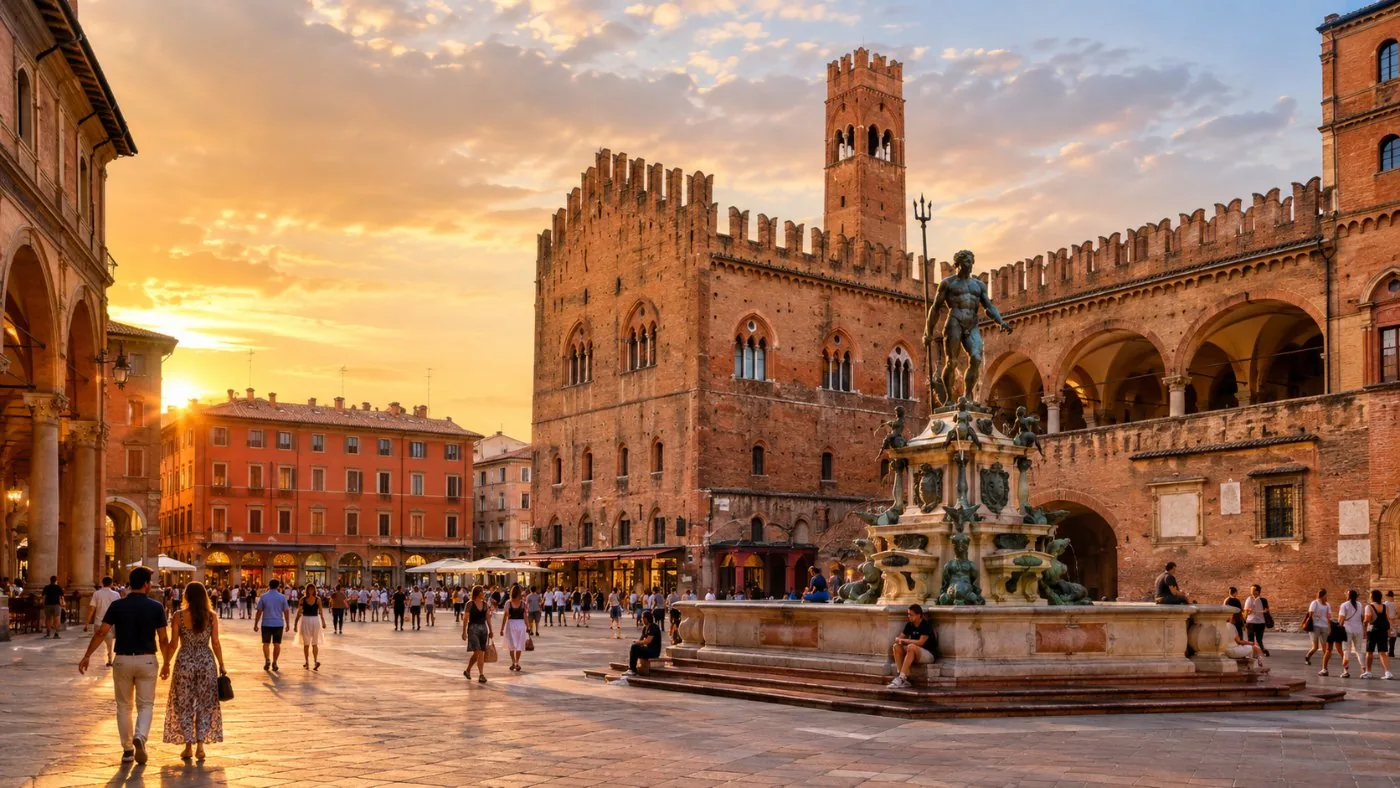
At the Neptune Fountain, Palazzo della Mercanzia or Via Zamboni. Look for the guide's umbrella.
10 minutes early
02
Salumi and a glass
Mortadella, Parmigiano and warm tigelle or crescentine, often with a first glass of local wine.
First stop
03
The pasta
Tortellini, tagliatelle al ragù or lasagne verdi, eaten sitting down with a red.
The main event
04
Something sweet
Gelato or a traditional dessert, then the guide's list of where to eat for the rest of your stay.
Timing, dietary needs, ages and what to bring: one tab each.
Evening walks: the dinner and wine walks replace a meal, so book them for an evening with nothing else planned.
Mornings: the market tour starts at the Mercato delle Erbe, whose stalls close on Sunday.
July and August: hot and humid, at its worst in August, when some stalls and restaurants close for the holidays.
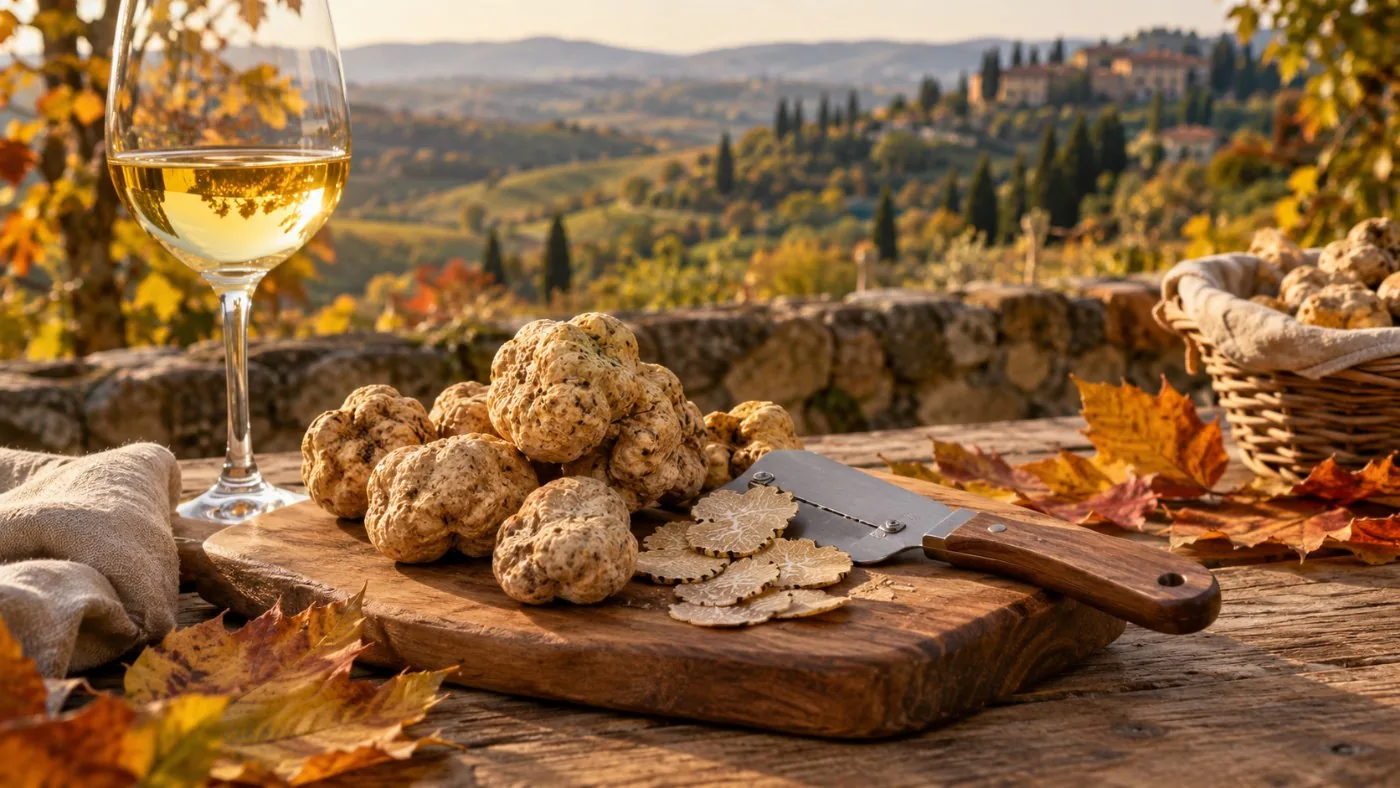
September to December: white truffle season in the Colli Bolognesi hills, with truffle fairs in October and November.
Winter: tortellini in brodo weather, and the porticoes keep the walks dry.
The walking food tour, the street food tour and the dinner walk all list vegans as not suitable; the first two also rule out gluten intolerance.
The local food tour with tastings lists no gluten-free or vegan option.
The food markets tour says vegetarian and lactose-free options are always available.
Cantina Tomisa serves a vegetarian pairing on request. Tell every operator about allergies when you book.
The city wine walk is not for under-18s. At Terre Rosse Vallania, under-18s get fruit juice instead of wine.
The dinner walk is not for children under 6, the Food Valley day not for under-8s.
Most food walks are not suitable for wheelchair users. The city wine walk, Bottega Botlé and Cantina Tomisa are listed as wheelchair accessible.
Strollers are not allowed on the walking food tour with a local expert.
Comfortable shoes: the old streets are paved with stone.
An appetite. Skip lunch before an evening walk; guests say the portions are generous.
Water in summer, and a little cash for anything you want to take home.
Your list of questions. Guides hand out restaurant tips at the end; the what to eat guide helps you ask the right ones.
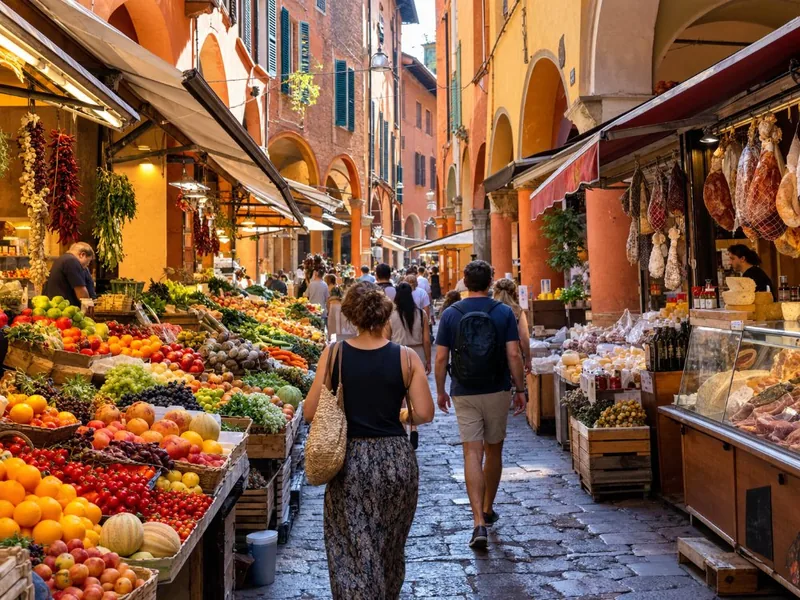
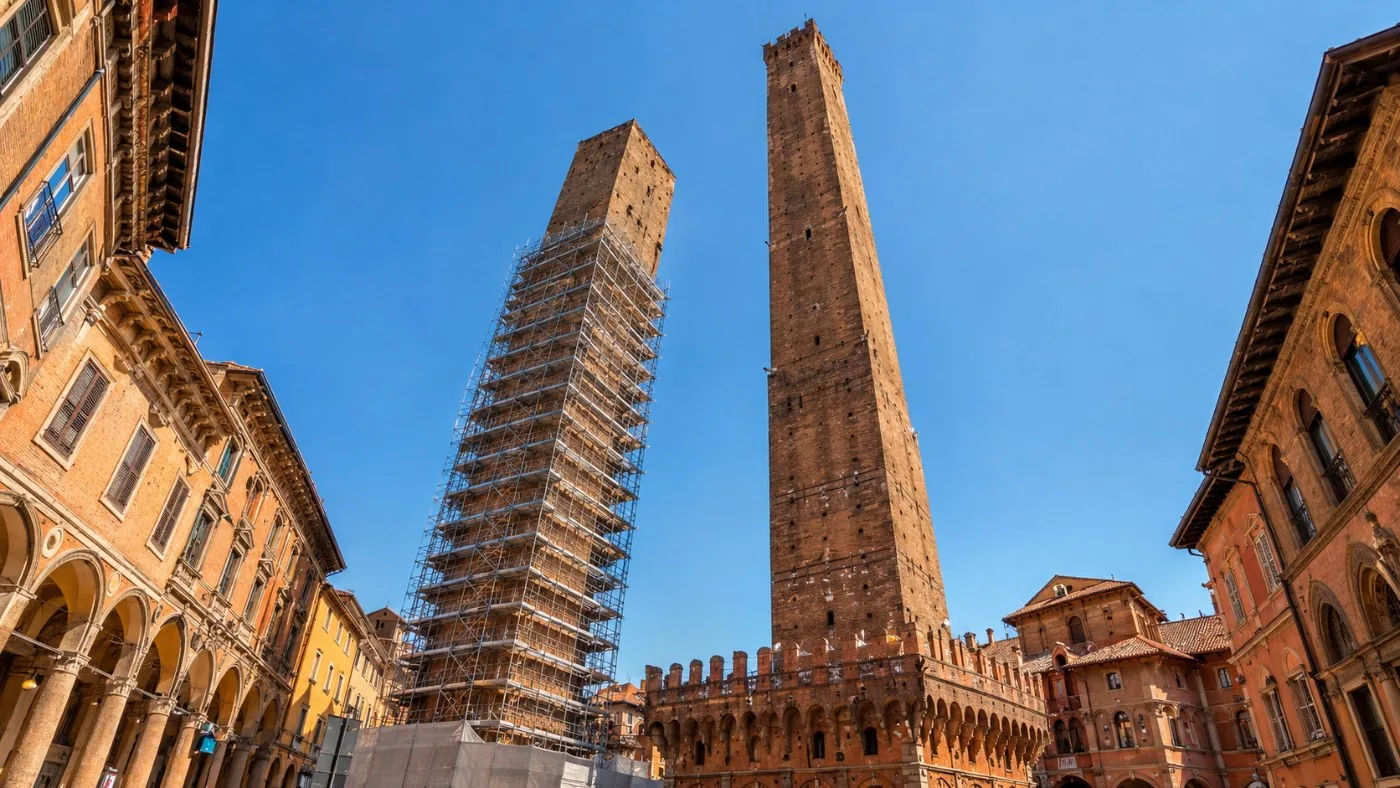
QuadrilateroThe centreMedieval market lanes between Piazza Maggiore and the Two Towers, where most walks start or pass.
Colli BolognesiNear the cityWine hills west and east of Bologna: Zola Predosa, Monte San Pietro, San Lazzaro di Savena.
ModenaAbout 30 minBy train: the city of balsamic vinegar and Lambrusco, and the Food Valley day's base.
ParmaAbout an hourBy train: Prosciutto di Parma and the Parmigiano dairies of its own province.
Tastings45 min to 8 hFrom one sommelier game to a full day with three producers and lunch.
Refund24 hoursFree cancellation up to a day before, on every tour on this site.
Where it happens
Where the tours start
In the centre, a few minutes apart
Neptune Fountain · Palazzo della Mercanzia · Via Zamboni 8 · Via Belvedere, by the Mercato delle Erbe
The food walks all meet within a short walk of Piazza Maggiore, and most finish near the Two Towers. The wineries are
outside town in the Colli Bolognesi, and their listings include transport to the estate. The Food Valley day picks up in
front of a hotel near the central station and drives about 45 minutes to the first dairy.
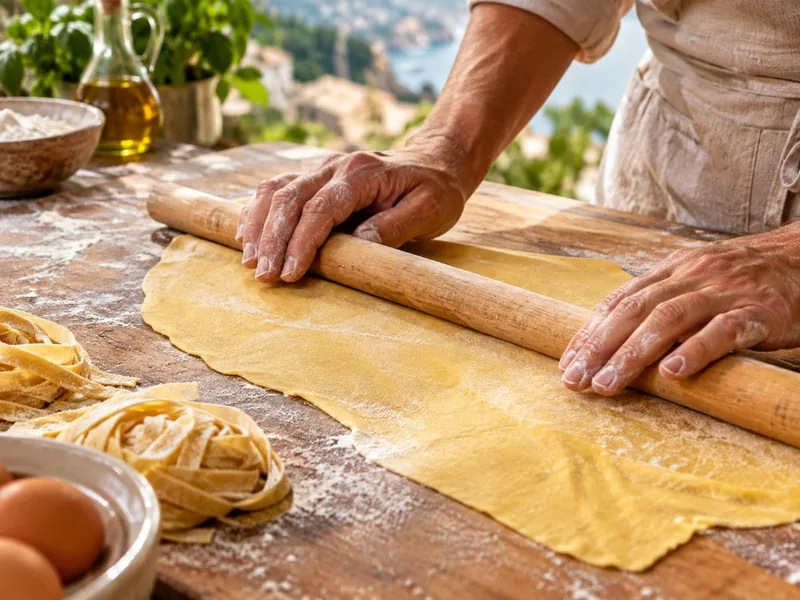
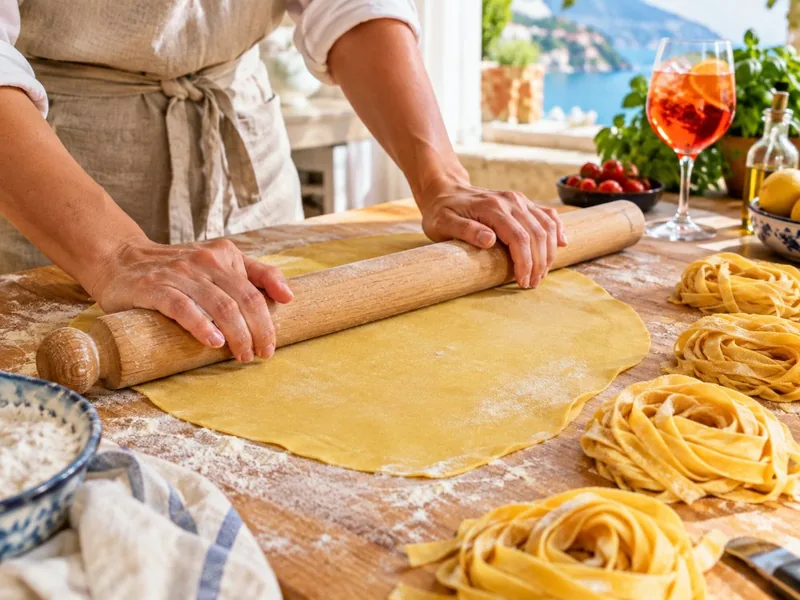
A food walk shows you the tagliatelle. This class puts the rolling pin in your hands: a local sfoglina teaches you to make it by hand, no machines, and you eat it with ragu, Sangiovese and Parmigiano. Book it for a different day from your tour.
Bologna has three nicknames, and the one that matters here is la Grassa, the fat one. It refers to the
abundance of the place, not to any single dish. Here is how to eat it properly.
The pasta has paperwork
Few cities take their recipes to a notary. Bologna does. The Accademia Italiana della Cucina deposited the golden measure of
the tagliatella at the Chamber of Commerce in 1972, the tortellini filling in 1974 (with the Dotta Confraternita del Tortellino)
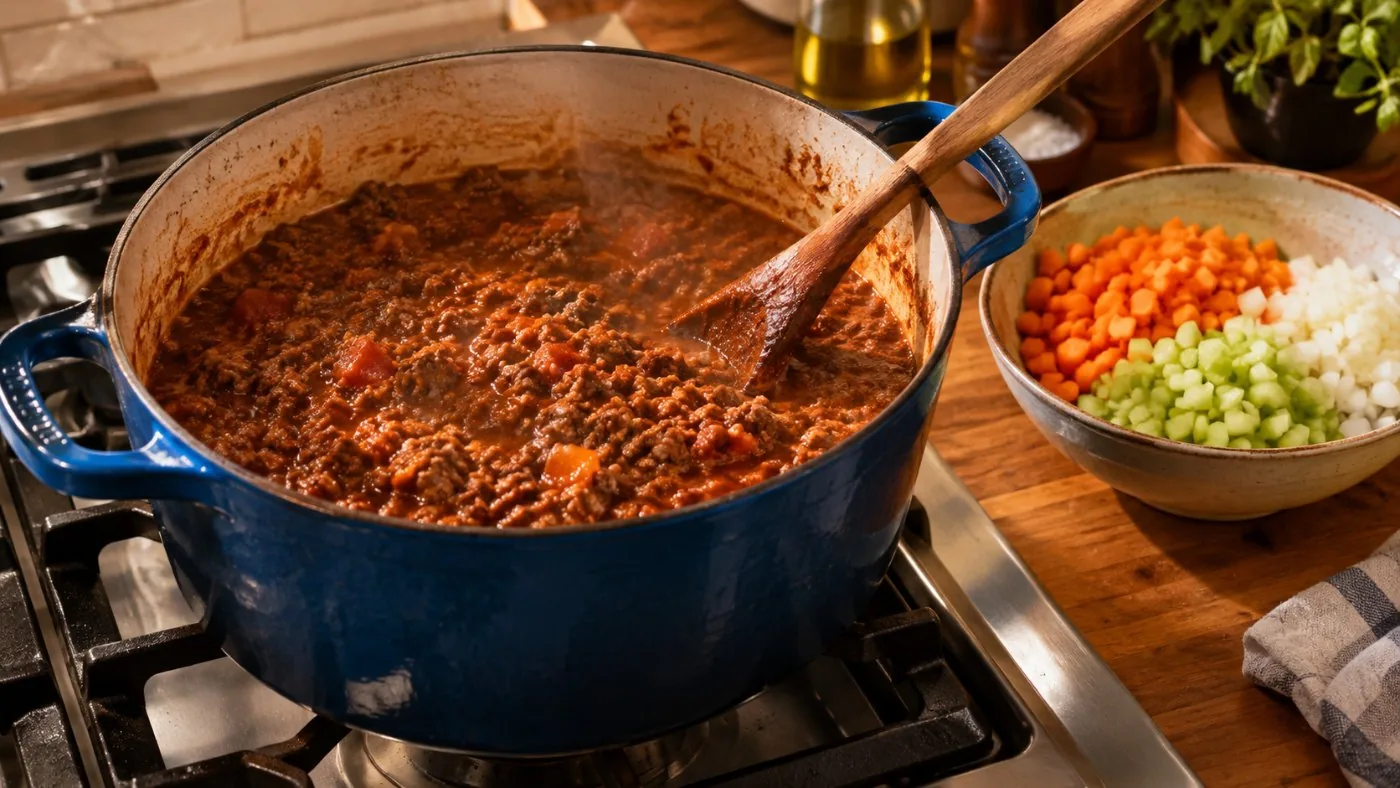
and a "classic" ragù in 1982. In 2023 it filed a renewed ragù that still bans garlic, rosemary, parsley, flour and
smoked pancetta. Tortellini go in capon broth; tagliatelle carry the ragù. Spaghetti does not, and a former mayor said in
2019 that spaghetti bolognese "doesn't actually exist" here.
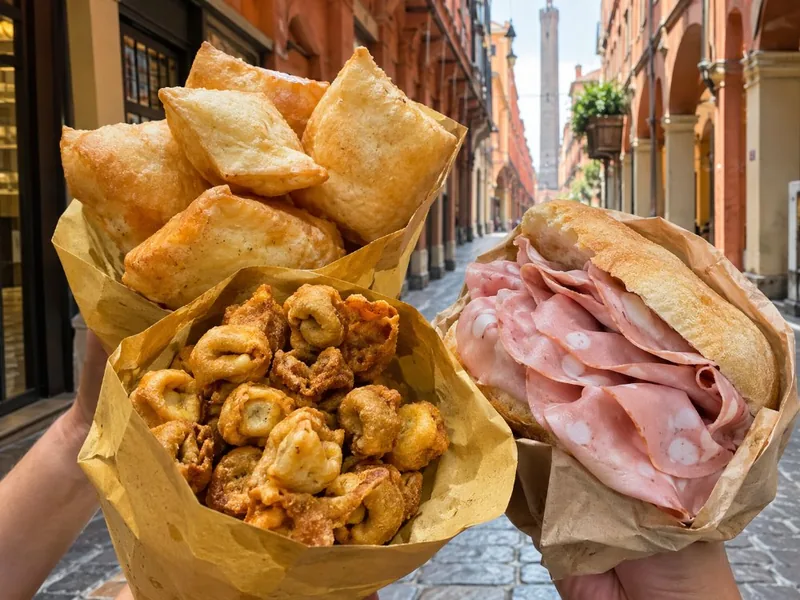
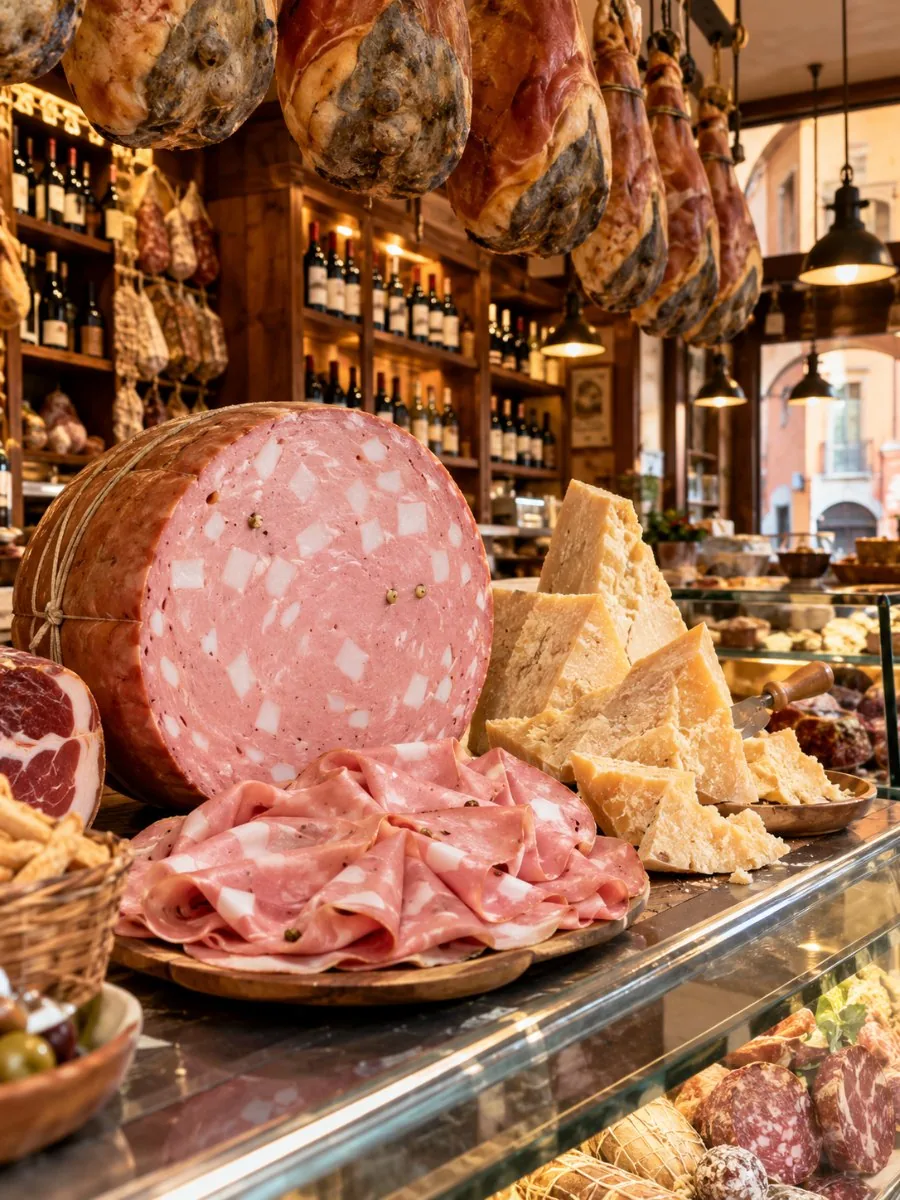
Lasagne in Bologna are green, made with spinach pasta, and the cured meat is mortadella, an IGP since 1998. On the street you
will meet tigelle (small flatbreads) and crescentine (fried dough), both made for slices of salumi.
Tortellini in brodo, tagliatelle al ragù and lasagne verdi: the three plates the city claims as its own.
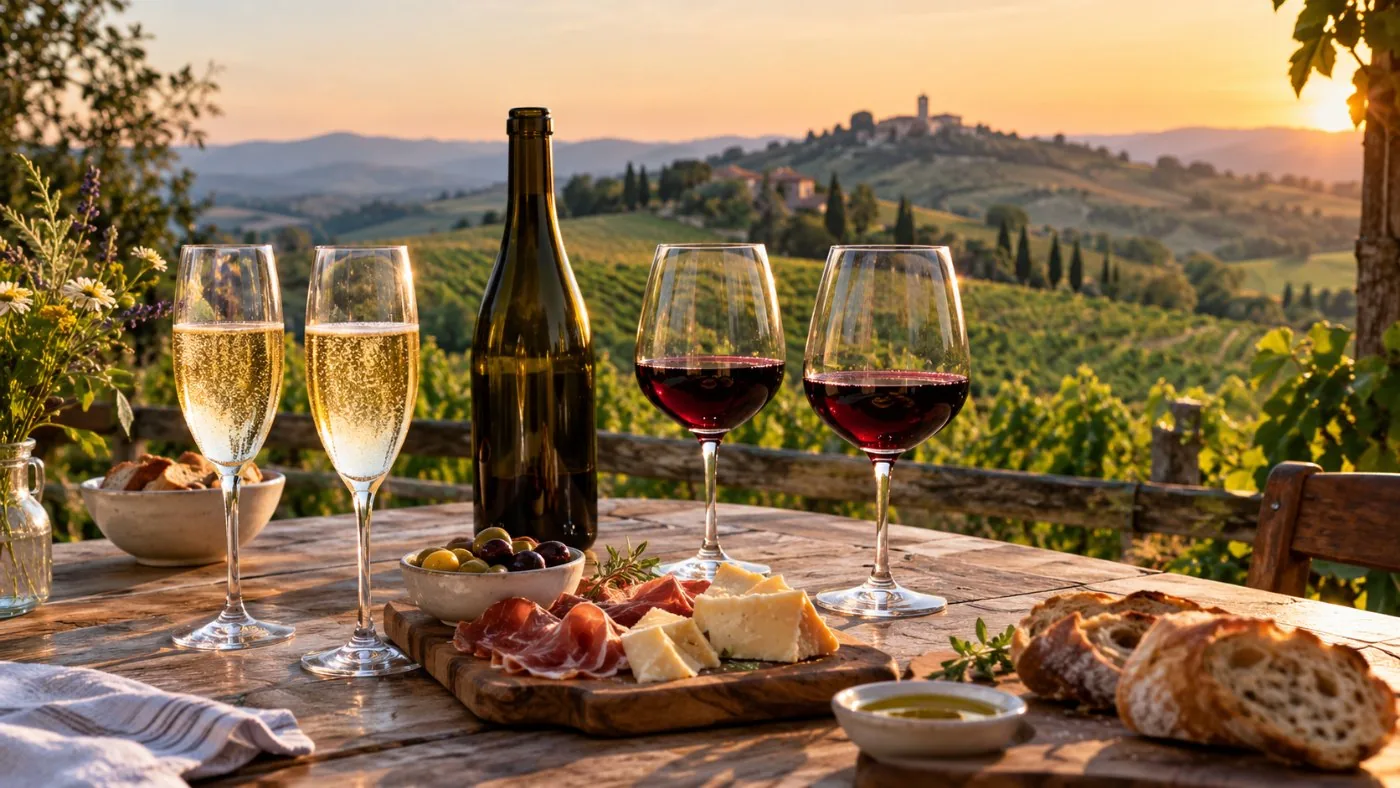
The wine is Pignoletto
Visitors ask for Lambrusco, and Lambrusco is fine. It just comes from Modena and Reggio Emilia. The white of the Bologna hills
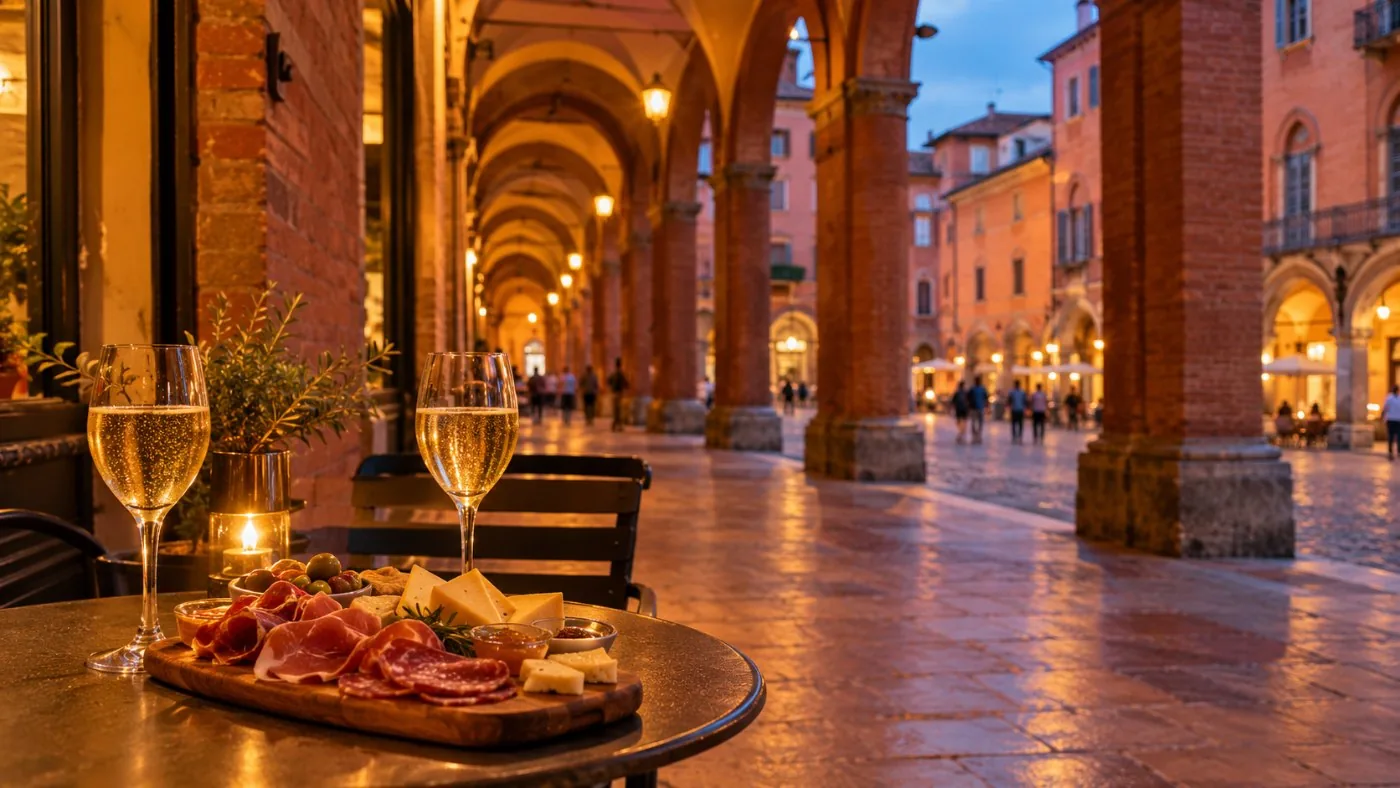
is Pignoletto, often frizzante, poured at aperitivo with a board of mortadella. The Colli Bolognesi Pignoletto DOCG dates from 2010.
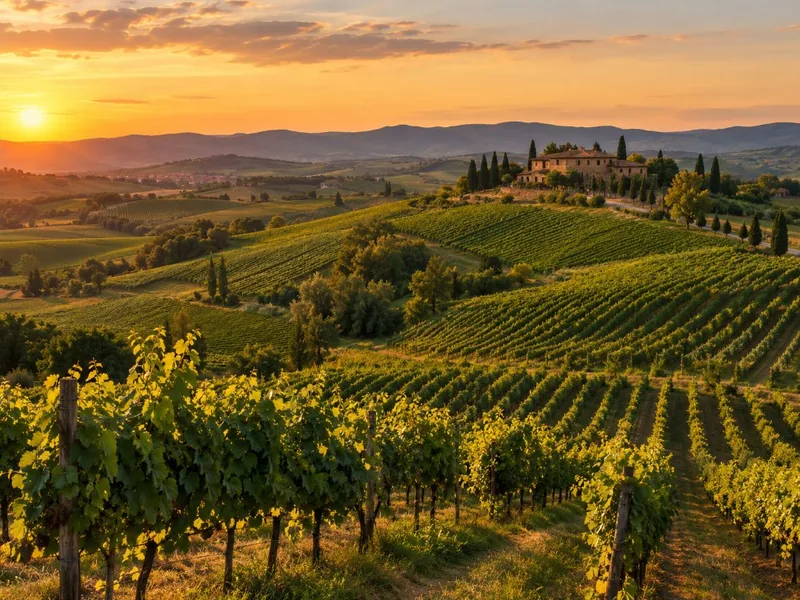
The hills behind it, the Colli Bolognesi, grow Merlot, Cabernet, Sauvignon and Chardonnay too, and you can be at a winery in
well under an hour from Piazza Maggiore.
The honest small print: a Bologna food walk serves Parmigiano and balsamic on its boards, but you will not
see either being made in the city. If watching the cheese come out of the copper vat matters to you, that is a
Food Valley day, not a walk.
Walk, winery or day trip?
A walk is the right first move: three hours, the city's own dishes, a guide who tells you where to eat for the rest of the week.
A wine tasting fits an aperitivo hour in the centre or a half day in the hills. The Food Valley day is a long one, eight hours by van
around Modena, and it is the only way to see Parmigiano, balsamic and Lambrusco at the source in a single day without a car.
Most visitors with three days do one walk and one of the other two.
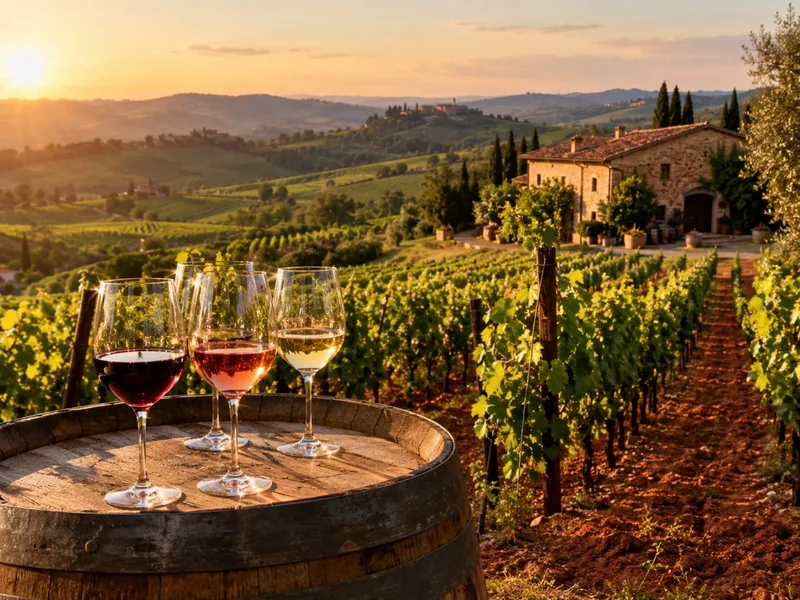
A tasting in the Colli Bolognesi, the wine hills just outside the city.
When to book
Autumn is the best season for eating here: white truffles in the hills from September, new wine, and broth back on the menus.
Summer evenings work if you avoid the August holidays, when some stalls and trattorie close. Whatever the month, book the evening
walks a few days ahead, and keep a morning for the markets.
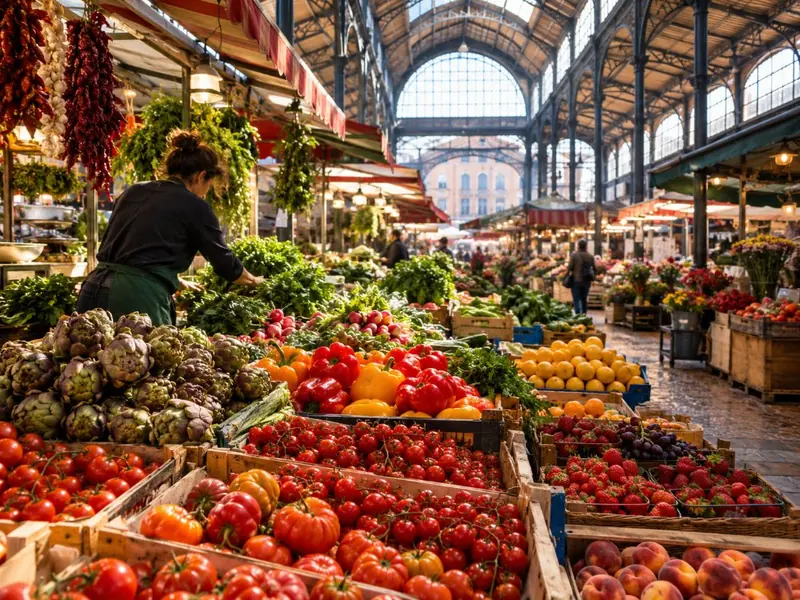
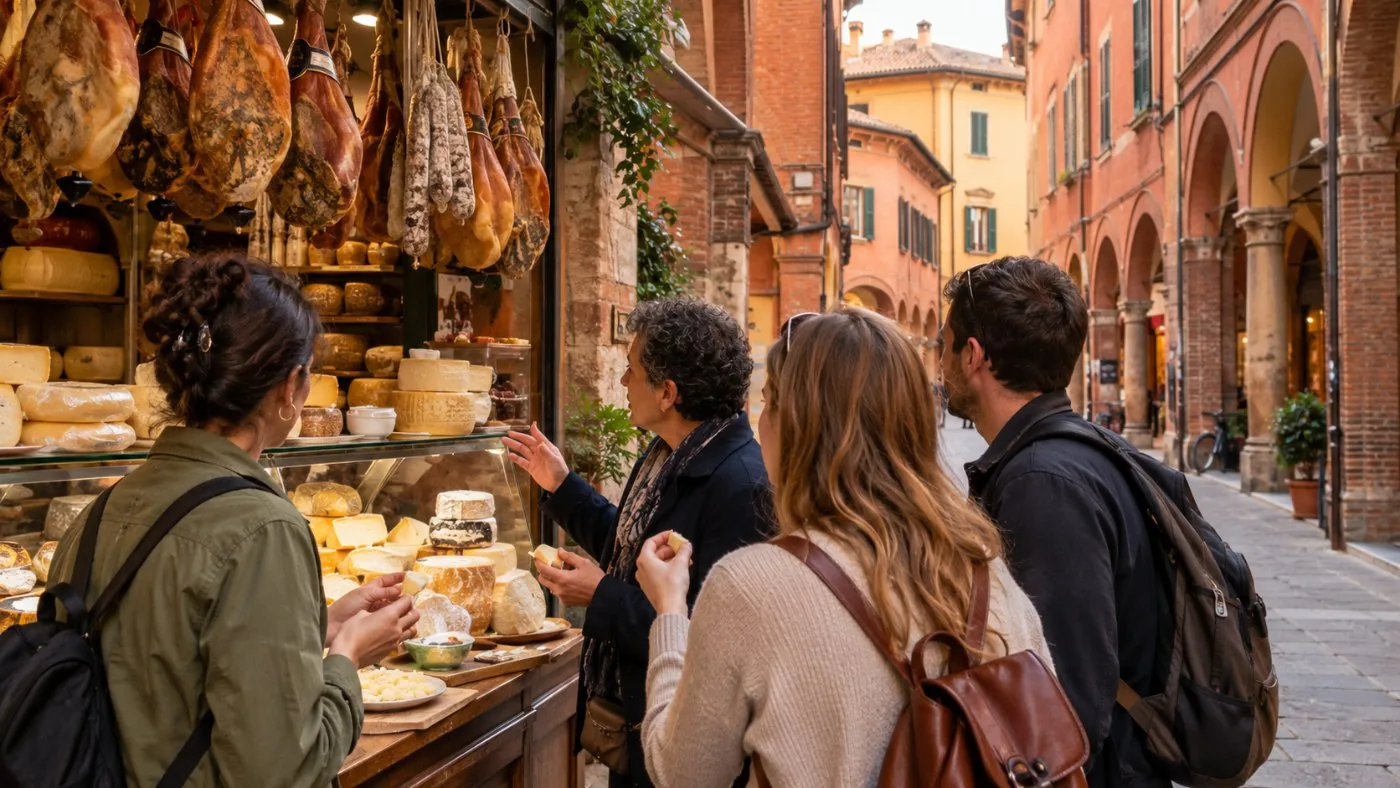
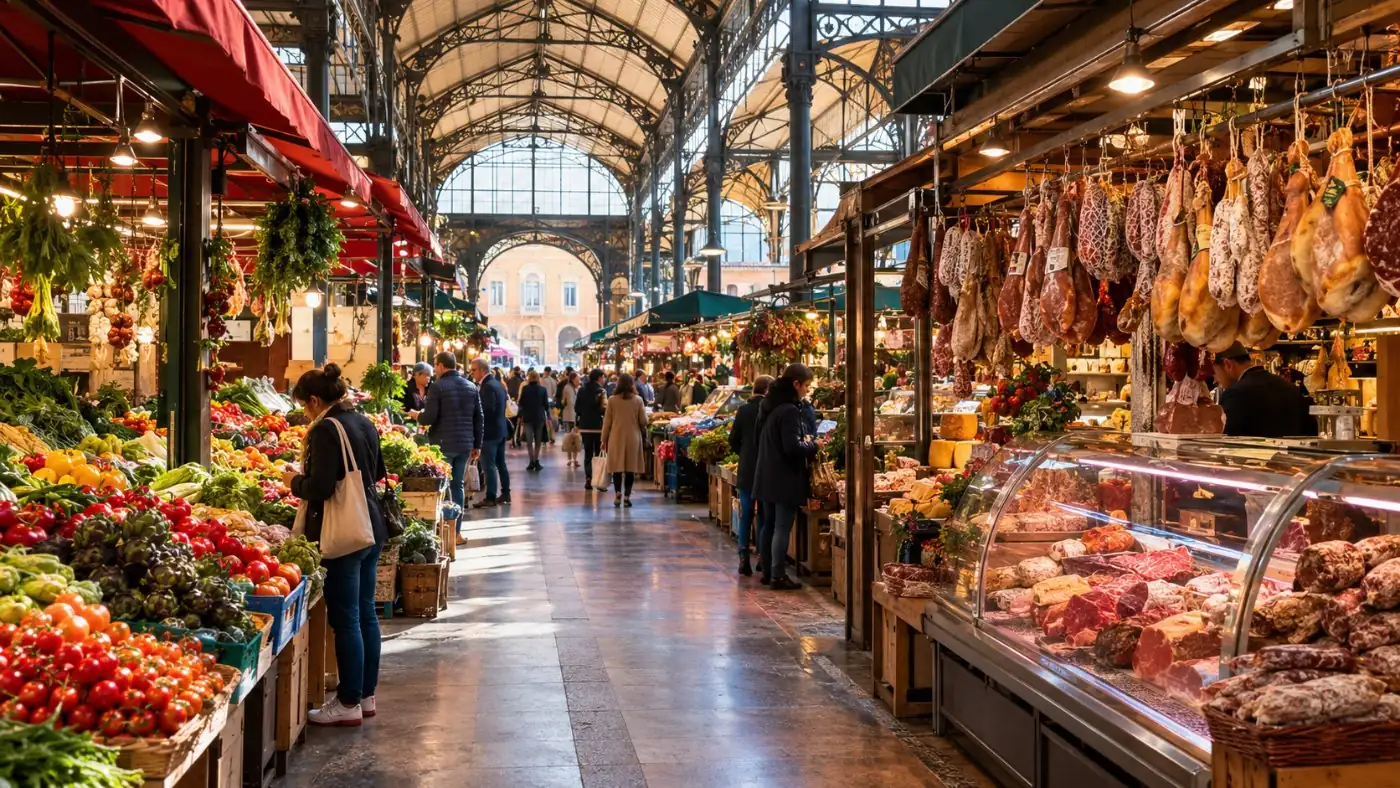
The Quadrilatero, Bologna's medieval market quarter, a few steps from Piazza Maggiore.
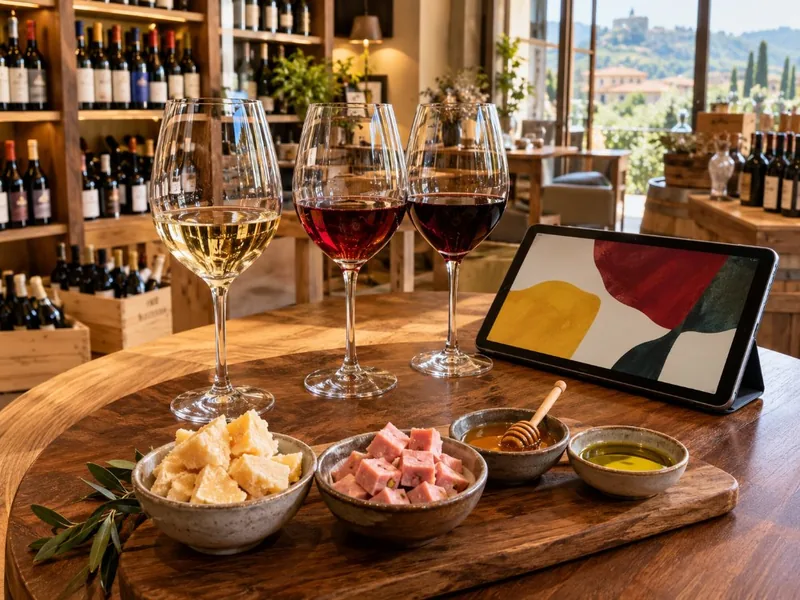
Yes, three ways: a guided wine walk between an enoteca and an osteria in the centre, a 45-minute tasting at Bottega Botlé, or a visit to a family winery in the Colli Bolognesi hills, such as Terre Rosse Vallania or Cantina Tomisa. See Bologna wine tours.
What food is Bologna famous for?
Tortellini in brodo, tagliatelle al ragù, lasagne verdi and Mortadella Bologna IGP. Parmigiano Reggiano and balsamic vinegar are regional products, made mostly around Parma, Reggio Emilia and Modena. And spaghetti bolognese is not a local dish. Our what to eat guide has the full list.
What wine is Bologna famous for?
Pignoletto, a white from the Colli Bolognesi hills, often served sparkling (frizzante). Its Colli Bolognesi Pignoletto DOCG dates from 2010. Lambrusco is the region's famous red, but it comes from Modena and Reggio Emilia, not Bologna.
What is the drink of Bologna?
There is no official one. The local answers are a glass of Pignoletto at aperitivo and, after dinner, Amaro Montenegro, a herbal liqueur created in Bologna in 1885 and still made in San Lazzaro di Savena.
What is the famous food street in Bologna?
Via Pescherie Vecchie, in the Quadrilatero, the medieval market quarter next to Piazza Maggiore. Its neighbours Via Drapperie and Via Clavature are lined with delis, fishmongers and tables for tigelle and salumi.
What day is the market in Bologna?
The food markets run Monday to Saturday: the Quadrilatero shops daily, the Mercato delle Erbe stalls Monday to Saturday (closed Sunday). La Piazzola, the big general market, is Friday and Saturday, and the Mercato Ritrovato farmers' market is on Saturday morning. Details in Bologna food markets.
How many days is enough for Bologna?
Two to three days for the city and its food, plus a day for the Food Valley or the wine hills. Our 2 to 3 day plan fits a food walk, a market morning and a winery.
Is Bologna a walkable city?
Very. Piazza Maggiore, the Quadrilatero and the Two Towers sit next to each other, and about 62 km of porticoes keep you out of the rain. Every food walk on this site stays on foot in the centre.
Where did Stanley Tucci eat in Bologna?
In Season 1, Episode 3 of Searching for Italy (2021) he walked the Quadrilatero, ate mortadella at Salumeria Simoni and visited the Cucine Popolari community kitchen. The Parmigiano dairy and balsamic stops in that episode were outside the city.
Is Bologna nicer than Florence?
They are different trips, 37 minutes apart on the fastest train. Florence is Renaissance art; Bologna is food, porticoes and a university city. Many people base themselves in one and day-trip to the other.
Can I cancel a food tour?
Every tour on this site cancels for a full refund up to 24 hours before the start, and most can be reserved now and paid later.
Ready to book
Pull up a chair, pour the Pignoletto.
Local guides, real tastings and free cancellation up to 24 hours before on every tour.
 Most booked
★ 4.83 hours
Most booked
★ 4.83 hours